PinForge demo article • Original AI-generated concept images • Saved as a draft for testing.
A short city break can become a checklist surprisingly quickly. For a first weekend in Lisbon, a gentler plan leaves room to notice the tiled buildings, stop for a coffee and change direction when a street looks interesting. This starter itinerary organizes the weekend into a few useful areas rather than promising that you can see every landmark in two days.

Treat the order as flexible. Lisbon has hills and uneven surfaces, and your ideal route depends on where you stay, the weather, mobility needs and current transport conditions. Check official attraction and transport information before traveling; this article intentionally avoids unverified opening hours, ticket prices and journey-time promises. The accompanying artwork is original concept illustration, not documentary photography.
Inside this guide
- 1. Start with a neighborhood, not a packed schedule
- 2. Pair older streets with a proper café break
- 3. Choose one viewpoint that fits your route
- 4. Give the riverfront its own unhurried window
- 5. Keep one optional stop for your own interests
- 6. Make the practical details easy before you arrive
1. Start with a neighborhood, not a packed schedule
On your first morning, choose one central area close to your accommodation and get your bearings on foot if that suits your access needs. Notice how the streets connect before committing to a longer route. A useful opening plan is simply a walk, a café stop and one main destination. You can add something else if you still have energy.
Keep a saved map available offline and mark your accommodation before heading out. Allow for slopes rather than judging a walk by distance alone. If part of a route looks demanding, use an appropriate transport option instead of forcing a rigid plan. Starting slowly makes the rest of the weekend easier to adjust.
2. Pair older streets with a proper café break
The atmosphere of older neighborhoods is often best enjoyed without rushing between photo stops. Follow a short route, look at the architecture and pause when the streets become crowded or steep. If you are visiting residential lanes, keep doorways clear, be considerate with cameras and remember that people live behind the façades you are admiring.
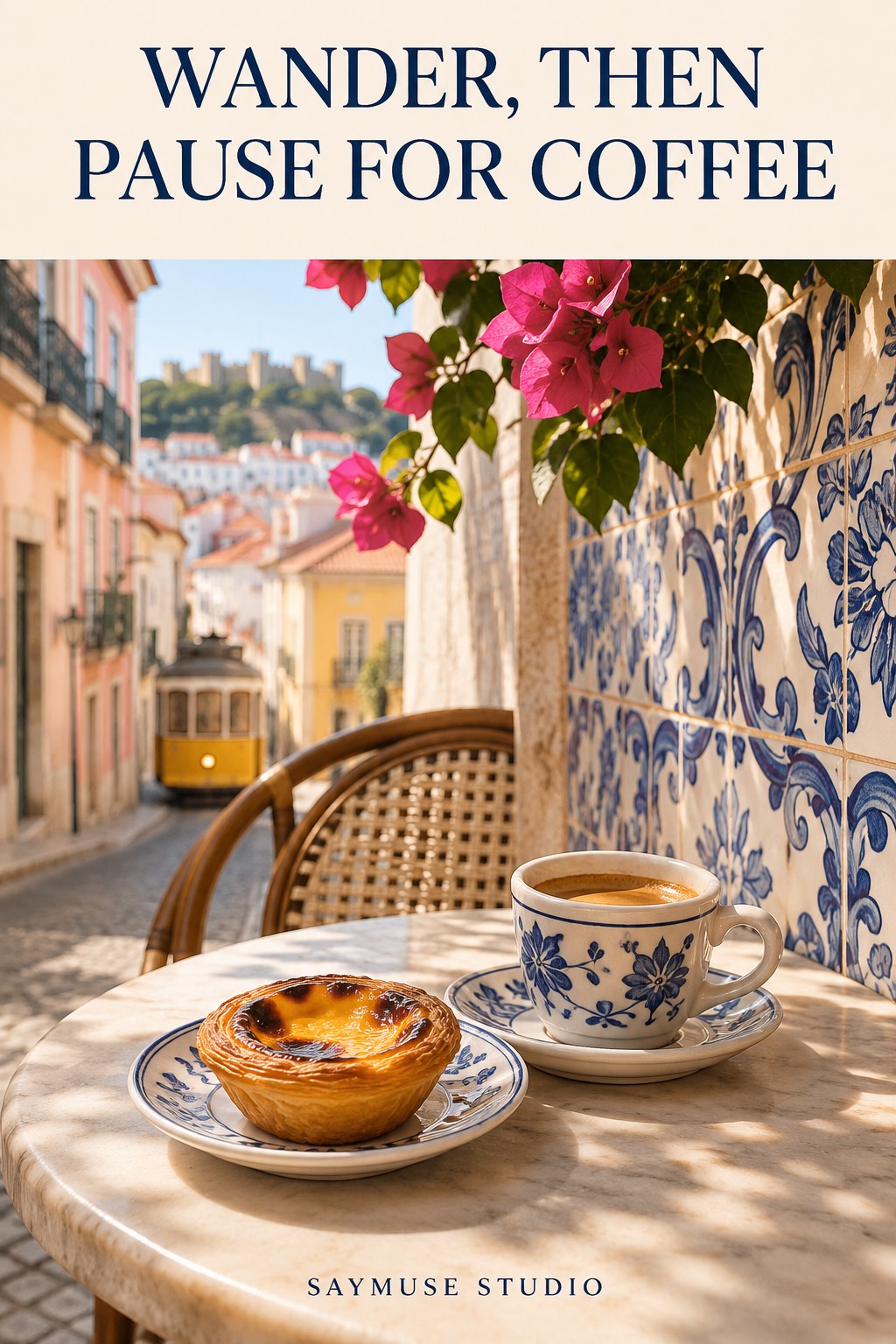
Build in a seated break rather than treating coffee as something to carry while walking. A café stop gives you time to check the next section of your route and decide whether you want a museum, a viewpoint or a quieter afternoon. Choose a place that fits your budget and dietary needs instead of assuming that a famous stop is essential to the trip.
3. Choose one viewpoint that fits your route
A viewpoint can give you a sense of the city, but collecting several in a single afternoon can make a relaxed itinerary feel like a hill-climbing challenge. Choose one that connects naturally with the neighborhood you are already exploring. Check its access conditions and have an alternative plan if steps, crowds or weather make it unsuitable.
Leave a little time to enjoy the view without photographing every angle. Keep bags secure in busy areas and avoid obstructing paths while taking pictures. If the sky is overcast, the outing is not wasted: the surrounding streets, a nearby gallery or a good lunch can become the best part of that section of the day.

4. Give the riverfront its own unhurried window
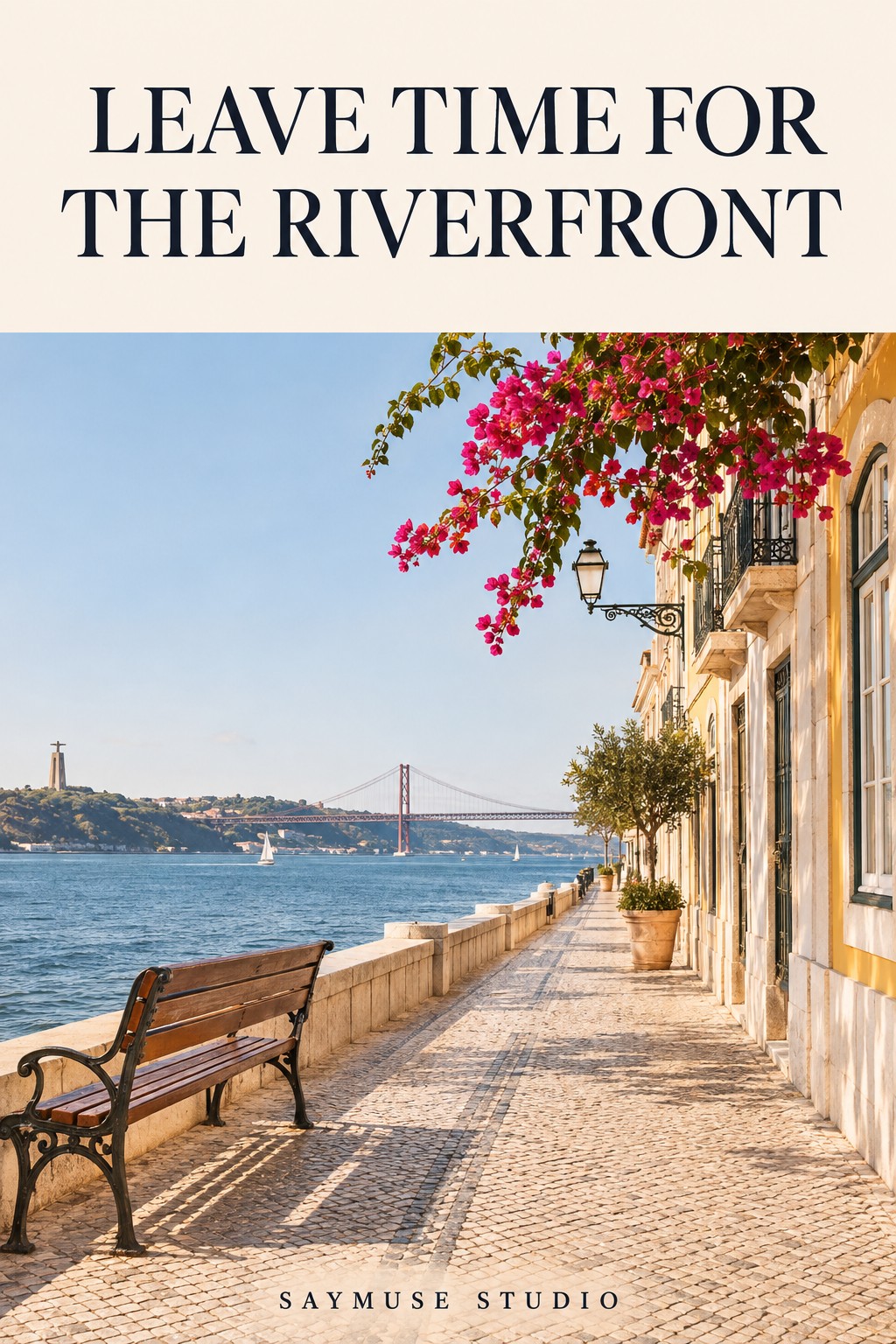
For the second day, consider a riverside section rather than another densely packed neighborhood route. A change of setting makes a short trip feel more varied and gives you space for an easier walk if the previous day was tiring. Pick a manageable stretch and a nearby place to sit instead of treating the entire waterfront as one continuous outing.
Plan transport around your chosen starting and finishing points. Check current services and accessibility information with the operator, especially if you are traveling with luggage, a stroller or mobility equipment. Weather near open water can feel different from sheltered streets, so carry a suitable layer and be prepared to shorten the walk if conditions change.
5. Keep one optional stop for your own interests
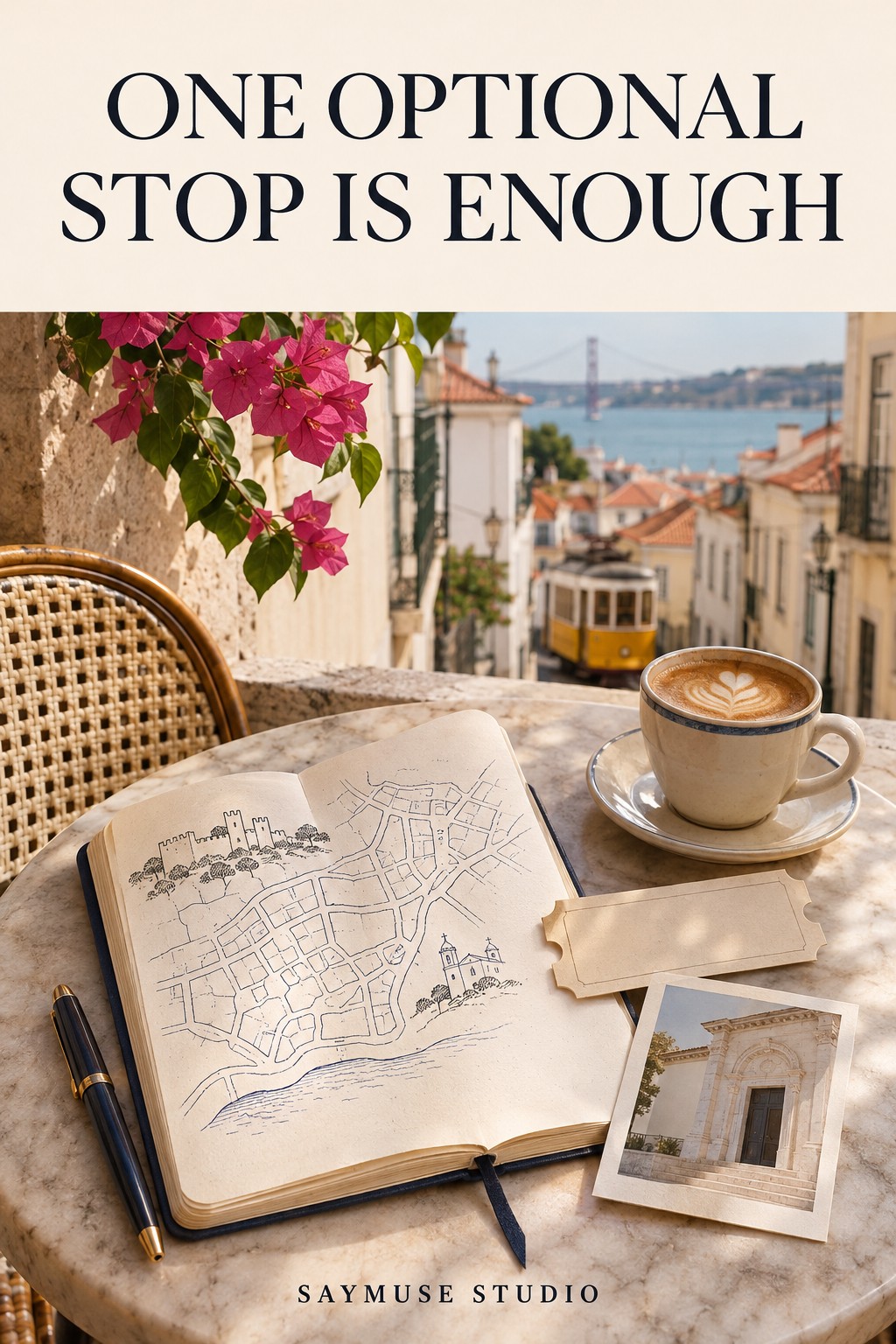
Leave a flexible space for something you genuinely enjoy: design, local history, a market, a garden, an exhibition or simply a longer lunch. Choosing by interest is usually more satisfying than adding a stop only because it appears on every weekend list. Look up current details directly before arranging your day around a ticketed visit.
Have a low-effort alternative ready. If the attraction is closed, fully booked or busier than expected, a nearby café or a shorter walk can still make a good afternoon. A two-day trip does not need to contain a backup activity for every hour. An open window is useful travel planning, not a failure to make the most of the city.
6. Make the practical details easy before you arrive
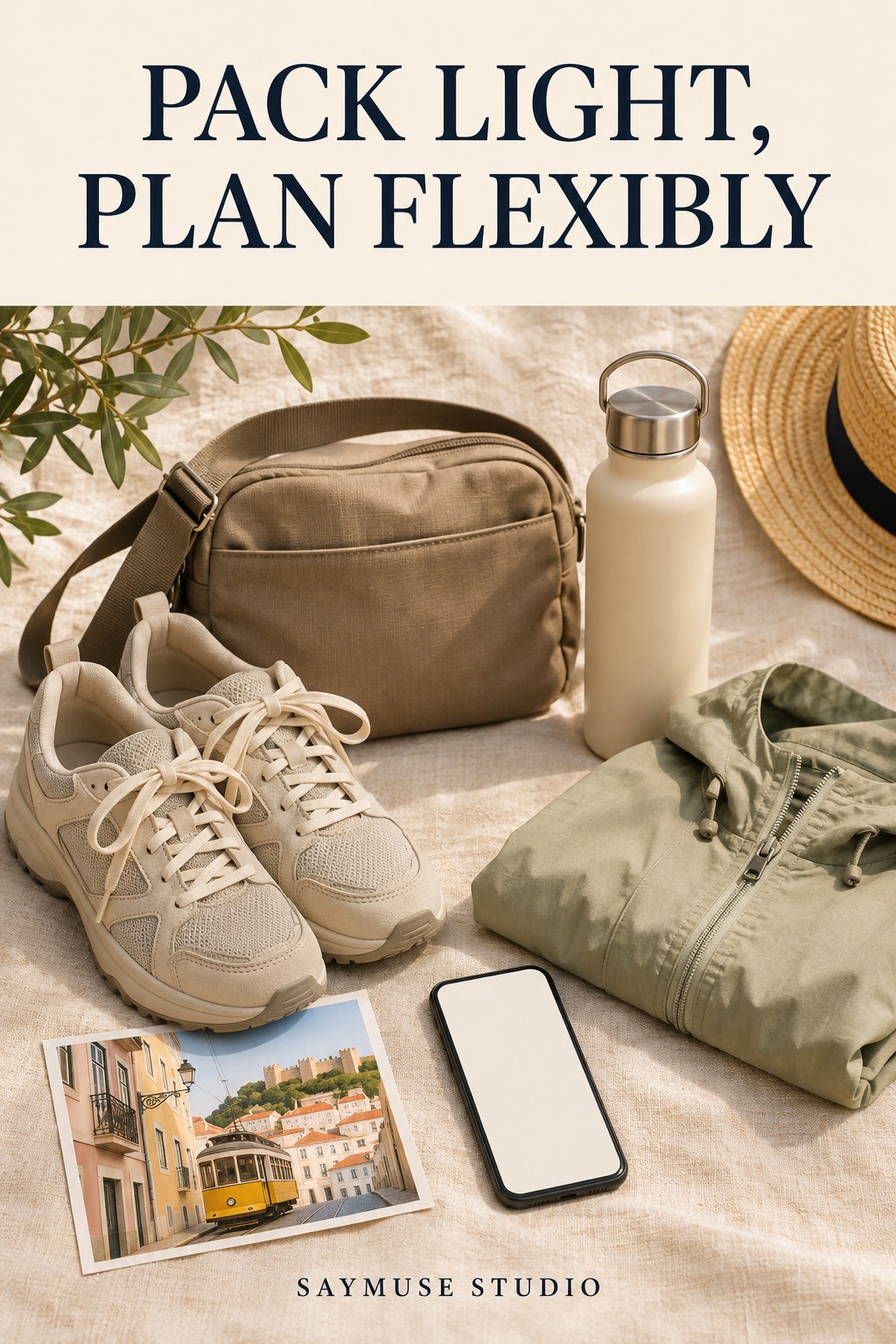
Comfortable footwear, a refillable bottle, a phone charging plan and an easy-to-reach layer can make a walking-focused weekend more comfortable. Check the forecast close to departure and choose items that suit the conditions. Carry only what you are happy to take up and down slopes or onto public transport.
Before leaving home, save accommodation details, check arrival instructions and confirm the documents or booking information relevant to your journey. Keep valuables secure and follow local guidance. Then leave room for small discoveries: a quiet street, an enjoyable meal or a particularly good place to sit can be more memorable than completing a longer list.
Save this quick checklist
- Check current official opening and transport information.
- Match the route to weather and mobility needs.
- Choose one main destination for each half-day.
- Leave time for food, rest and changes of plan.
- Respect residential streets and keep paths clear.
Testing note: open this draft with the Create Pinterest Pins shortcut to try image selection, collages, overlays, brand settings and AI metadata. Publishing or Pinterest import is a separate deliberate action.
Leave a Reply